
AI operations manager. Artur
Delegating doesn't mean giving up control: you hand off execution, but you are still responsible for the decisions yourself.
Level: for beginners
Language: Russian
Duration: 1:32
Delegating doesn't mean giving up control. On the contrary, a good delegation system helps you keep it: you hand off execution, but decisions and accountability stay with you. Here is how to build it.
Step one: separate “where and why” from “how and when.” A simple rule from descriptions of the COO role: the CEO is responsible for strategy, capital, the board of directors and the company's external position, while the COO or functional leaders are responsible for how and when it gets done. Final decisions on financing, key executive appointments and strategically important commitments to customers remain with the founder.
Step two: sort decisions by reversibility. In his 2015 and 2016 letters to Amazon shareholders, Jeff Bezos divided decisions into two types. Type 1 decisions are consequential and nearly irreversible (“one-way doors”); they are made slowly and deliberately. Type 2 decisions are reversible (“two-way doors”); they should be made quickly, by individuals with good judgment or small groups. He also warned that large organizations are tempted to apply a heavyweight process to every decision across the board. Hence the rule: delegate all reversible decisions and keep irreversible ones closer to you.
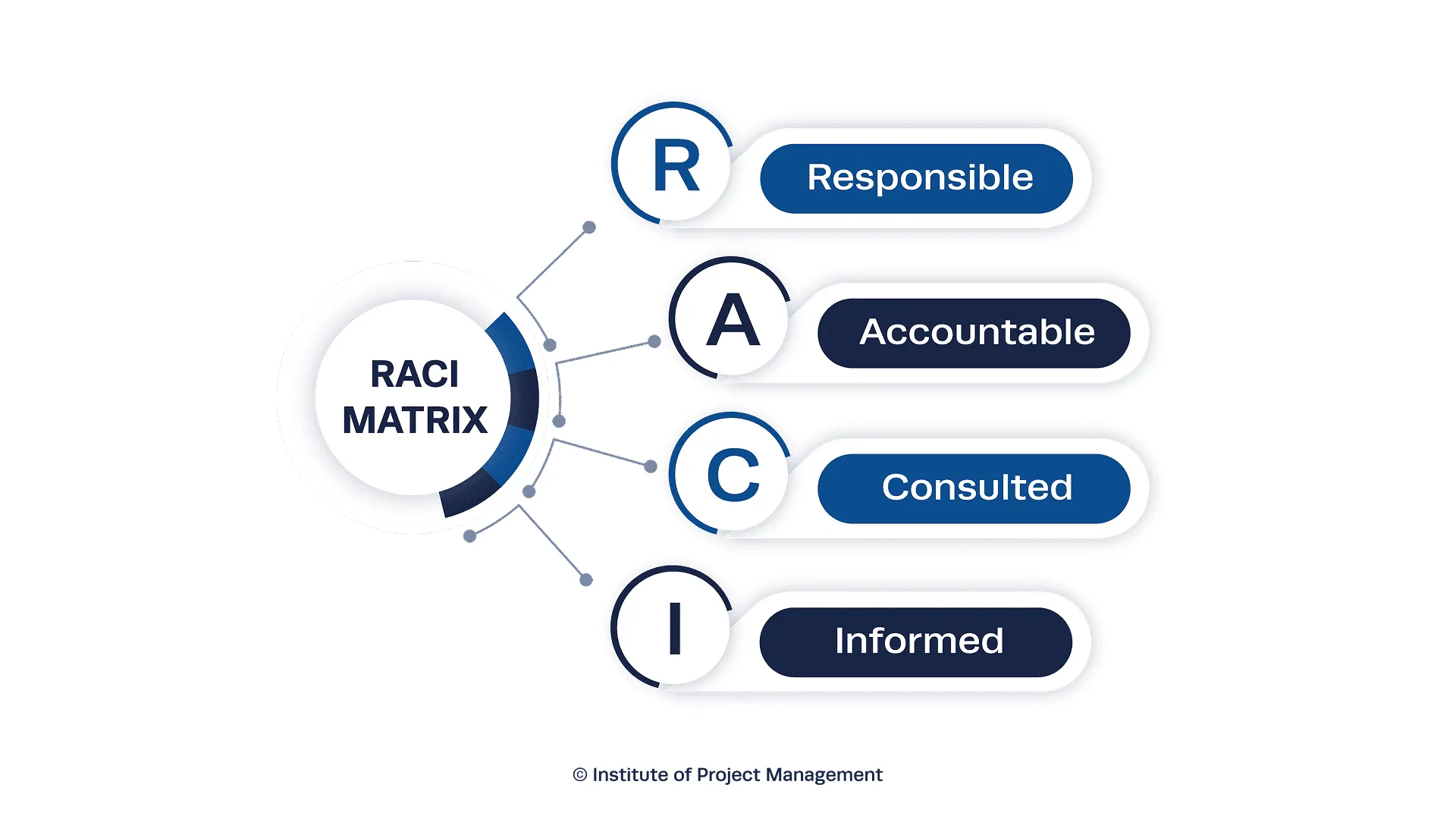
Step three: write down who decides what. Use a responsibility matrix, such as RACI or DACI. An example for pricing decisions: the COO decides, the CEO approves, finance and sales are consulted, customer support is informed. A request to “just run it by me” without documented decision rights doesn't work: people realize that real power has stayed with you.
Step four: control through cadence and metrics, not intervention. The first things to define after delegating are the task owner, the review cadence and the escalation rules: when the person executing must come to you. The more serious the consequences, the tighter the boundaries and the closer you are to the decision.
Step five: find the right person for the operational role. If the founder keeps making operational decisions themselves, the hierarchy is broken, and even a strong COO won't be able to do the job. Sometimes a head of operations or a chief of staff is enough, and only when processes become more complex do you need a full-fledged COO.
A good example is Amazon itself. Bezos believed that most decisions are reversible, and so he pushed the company to decide quickly at lower levels, keeping the irreversible ones for himself.
Sources:


Please take 5 minutes to leave us a review


